Cultural Experiences Maui
Discover the Heart of Hawaiian Heritage Through Traditional Arts, Food, and Sacred Stories
✓ Free cancellation · ✓ Instant confirmation · ✓ Best price guarantee

Written by a Cultural Expert
Leilani AkoOn This Page
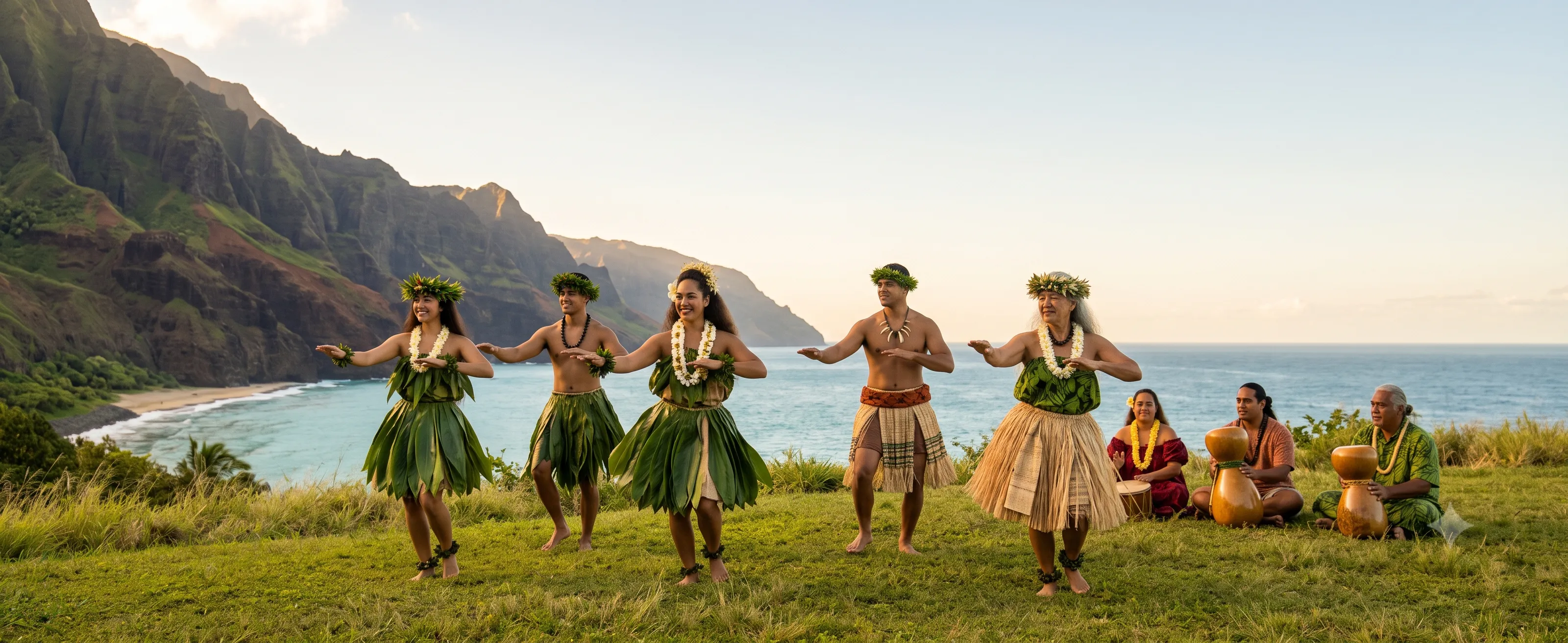
Maui is known for its beaches, valleys, waterfalls, and scenic drives, but its culture gives the island its deeper meaning. The best cultural experiences in Maui help visitors connect with Hawaiian history, local traditions, food, music, hula, and the communities that shaped the island over time.
Maui offers a variety of worthwhile learning opportunities while traveling, including traditional luau experiences, historic sites, local markets, taro fields, museums, and cultural seminars. For tourists who want more than just a stunning view, these excursions are perfect. They help tourists appreciate and understand the customs, values, and tales that still shape island life today.
Top-Rated Cultural Tours · Maui
Ready to Experience Maui Culture?
Handpicked by Leilani Ako
Top Maui Cultural Experiences
Traditional Hawaiian Luau
Authentic · Live Music · Traditional Food
Road to Hāna Cultural Tour
Guided · Historic Sites · Local Guide
Lei-Making & Hula Class
Interactive · Small Groups · Cultural Practitioner
All tours led by local cultural experts · Prices vary by season and availability
✨ What Makes Maui Cultural Experiences Special
Maui cultural experiences are closely tied to the land, ocean, and people. Hawaiian culture is rooted in respect for nature, family, ancestry, and community. Many traditions are connected to mālama ʻāina, which means caring for the land.
This idea can be seen in taro farming, fishpond restoration, native plant gardens, food traditions, and the way cultural practitioners teach visitors about the place. A luau, a hula lesson, or a guided visit to a sacred site becomes more meaningful when travelers understand the values behind it.
Maui also has a layered multicultural history. During the plantation era, workers from places such as Japan, the Philippines, Portugal, China, and other regions helped shape the island's food, language, music, and community life. This mix is still seen in local dishes, town festivals, markets, and family traditions across the island.
🍽️ Traditional Hawaiian Luau Experiences
A luau is one of the most popular ways to experience Hawaiian culture in Maui. A good luau is not only about dinner and entertainment. It introduces guests to Hawaiian music, hula, storytelling, food traditions, and the importance of gathering together.
Many luaus include dishes such as kalua pork cooked in an imu, poi, lomi salmon, haupia, fresh fish, and other island favorites. The performances often share stories of voyaging, family, chiefs, gods, and the natural world.
🏆 Old Lahaina Luau
One of Maui's best-known luau experiences, widely recognized for its focus on Hawaiian storytelling, hula, chant, and traditional food preparation.
🌊 Te Au Moana
Located at Wailea Beach Resort, this luau highlights themes of ocean gathering, fishing, voyaging, and island life through dance and storytelling.
🌺 Leilani's Tip
When choosing a luau, look for one that treats Hawaiian culture with respect and gives guests a clear sense of history, not just a staged show. Ask if they include traditional imu preparation and if performers are trained in authentic hula styles.
Experience authentic Hawaiian hospitality
Book a Traditional Luau
Traditional food · Live hula · Storytelling · Cultural immersion
🛤️ Road to Hāna Cultural Stops
The Road to Hāna is often known for waterfalls, coastal views, and rainforest scenery, but it is also one of the most meaningful cultural experiences in Maui. The route passes through areas with deep Hawaiian history, including taro patches, old village sites, churches, gardens, and sacred places.
Must-Visit Cultural Sites
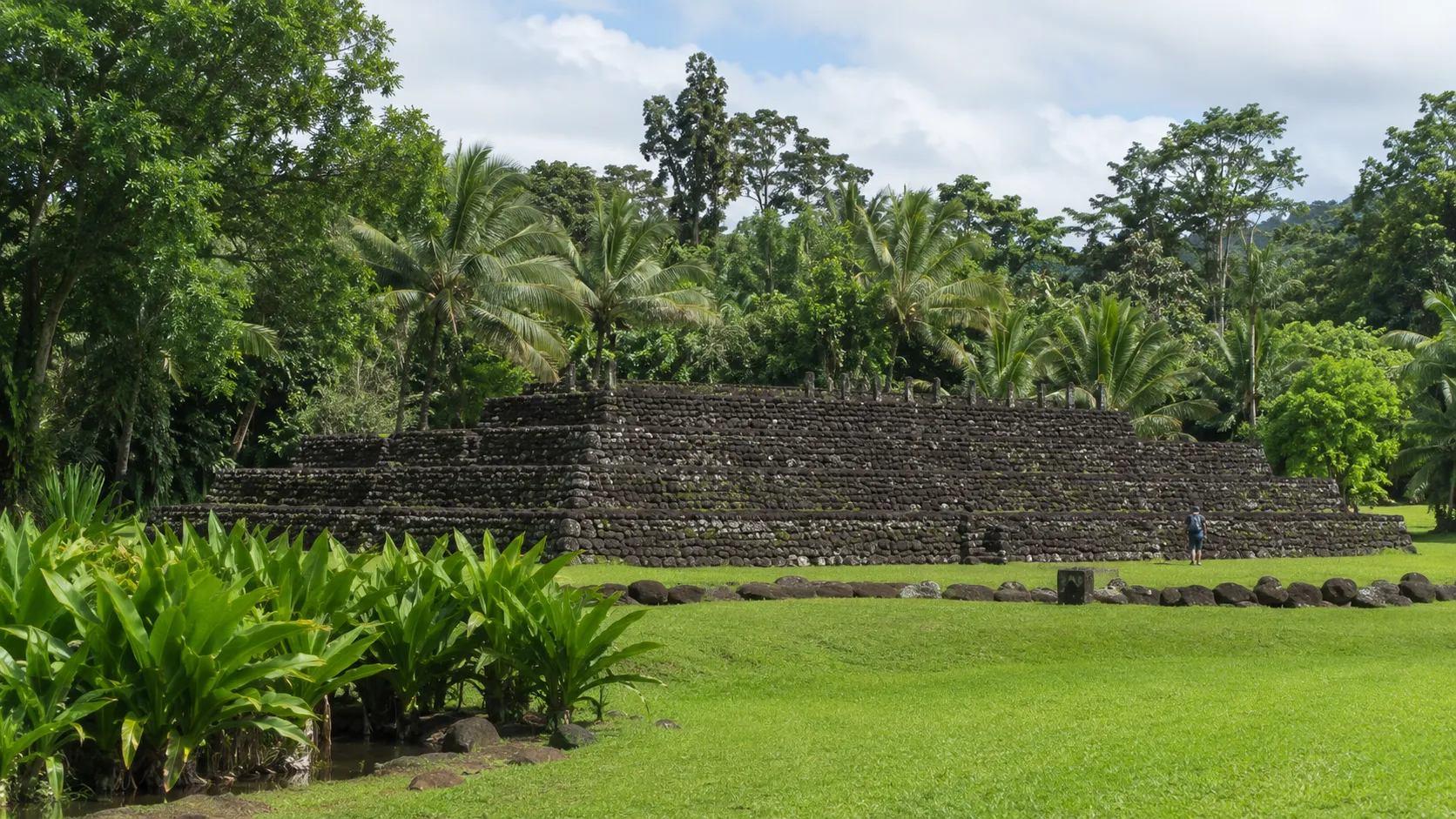
🏛️ Kahanu Garden & Piʻilanihale Heiau
One of the most important cultural stops along the way. Home to Piʻilanihale Heiau, a major ancient Hawaiian temple structure and one of the most significant archaeological sites in Hawaiʻi.
Visiting with respect helps travelers understand how Hawaiian communities lived with the land and used traditional systems to support food, water, and family life.
🏘️ Hāna Cultural Center & Museum
Shares stories of the Hāna district through artifacts, photographs, local history, and community knowledge.
Because opening hours and access can change, visitors should check the current schedule before planning a visit.
A guided Road to Hāna experience can make the journey more valuable. Local guides can explain place names, cultural history, plants, farming traditions, and the stories connected to East Maui. This turns the drive into more than a sightseeing route. It becomes a deeper introduction to Hawaiian heritage.

Half-Day (halfway) to Hana Tour
Offered by Hana and Beyond — A top-rated guided tour experience in Paia. Free cancellation available. Book your spot today.
Book Hāna Cultural Tour🍍 Maui Cultural Experiences Through Food and Local Markets
Food is one of the easiest and most enjoyable ways to understand Maui's culture. Local food reflects Hawaiian traditions as well as the island's plantation history. Plate lunches, malasadas, saimin, poke, shave ice, banana bread, fresh fruit, and farm-grown produce all tell part of Maui's story.
Local Food and Farmers Markets
Farmers' markets in Maui are great places to meet local growers, try island produce, and learn about ingredients used in everyday cooking. Markets may feature tropical fruits, taro products, fresh coconut, baked goods, jams, coffee, flowers, and locally made crafts.
These markets are also family-friendly and relaxed. Visitors can support small businesses while tasting foods that reflect the island's multicultural roots. For many travelers, local markets are among the most approachable Maui cultural experiences because they bring together food, people, and community in one place.
Taro, Farm Visits, and Traditional Ingredients
Taro farming is deeply connected to Hawaiian culture. Some farm experiences and cultural programs explain how kalo is grown, harvested, and prepared. These visits can help travelers understand the connection between food, water, land, and family.
🌿 Cultural Connection
Traditional Hawaiian food is often simple, meaningful, and closely tied to place. Poi, laulau, kalua pork, ʻulu, sweet potato, and fresh fish all reflect a way of eating shaped by the land and ocean. Learning about these foods adds more depth to every meal in Maui.
🎨 Hawaiian Arts, Music, and Hands-On Cultural Activities
Cultural experiences in Maui are not limited to tours and museums. Hands-on activities give visitors a chance to learn directly from practitioners and understand the care behind Hawaiian traditions.
Hula Workshops
Hula is often misunderstood as only a performance. In Hawaiian culture, it is a way of preserving stories, genealogy, emotion, prayer, and history. Every movement has meaning, and many dances are connected to chants, places, natural elements, or important events.
Some cultural centers, resorts, and hālau offer beginner-friendly hula lessons. These classes usually introduce basic movements, posture, hand gestures, and the meaning behind the dance.
Lei-Making Classes
Lei-making is one of the most personal cultural activities in Maui. A lei can express love, welcome, celebration, honor, sympathy, or gratitude. Flowers, leaves, shells, seeds, and other natural materials may be used depending on the purpose and tradition.
A lei-making class teaches more than how to string flowers together. It can introduce the meaning of different materials, the care involved in gathering them, and the importance of giving a lei with intention.
Lauhala Weaving
Lauhala weaving uses dried pandanus leaves to create items such as mats, hats, baskets, and bracelets. It is a traditional skill that requires patience, precision, and respect for the natural material.
There might be workshops or artisan markets where you can see local weavers at work or attempt a simple beginner project.
Hawaiian Music
Music is an important part of the cultural life of Maui. Slack-key guitar, ʻukulele, chant, and Hawaiian language songs carry the stories of love, place, family, and history.
Listening to Hawaiian music in Maui is more meaningful when visitors pay attention to the stories behind the songs. Many songs are connected to specific places, landscapes, loved ones, and historical memories.

Lauhala Bracelet Weaving Craft Class
Offered by Oni Foundation — A top-rated workshop experience in Kahului. Free cancellation available. Book your spot today.
Book Cultural Workshop🏛️ Museums and Cultural Centers in Maui
Museums and cultural centers give visitors a quieter way to understand the island's past. They are useful for families, first-time visitors, history lovers, and anyone who wants context before exploring cultural sites.
🏭 Alexander & Baldwin Sugar Museum
The Alexander & Baldwin Sugar Museum in Puʻunēnē focuses on Maui's sugar plantation history. It shares the story of the workers, families, tools, mills, and communities that shaped the island during the plantation era.
The museum helps explain why Maui's culture includes strong influences from Japanese, Filipino, Portuguese, Chinese, Korean, Puerto Rican, and other communities. This history can still be seen in local food, festivals, family names, and everyday island life.
🎭 Maui Arts & Cultural Center
The Maui Arts & Cultural Center in Kahului is one of the island's main venues for concerts, performances, festivals, and cultural programming. Its calendar may include Hawaiian music, hula, local art, film, craft events, and community celebrations.
For visitors who want Maui cultural experiences beyond outdoor tours, the MACC is a strong place to check before traveling. Events change throughout the year, so it is worth looking at the schedule in advance.
🏛️ Lahaina's Historic Legacy
Lahaina has a deeply important place in Hawaiian history. It was once the capital of the Hawaiian Kingdom and later became a major whaling port. The town also held historic churches, homes, museums, and cultural landmarks.
⚠️ Important Notice: After the devastating 2023 wildfire, many historic places in Lahaina were damaged or destroyed, and access continues to change as recovery and preservation work move forward.
Visitors should be thoughtful, avoid entering restricted areas, and check current guidance before planning any Lahaina-related cultural visit. Supporting Lahaina's recovery through respectful travel, local businesses, verified community efforts, and cultural awareness is one way visitors can practice mālama while on Maui.
🎉 Seasonal Festivals and Community Events
Maui's cultural calendar changes throughout the year. Festivals, craft fairs, food events, hula performances, and community gatherings can give visitors a more local view of island life.
🌾 East Maui Taro Festival
Usually connected to Hāna and kalo traditions, celebrates taro through food, music, education, and community.
🌺 Aloha Festivals
In September, highlights Hawaiian music, hula, and cultural pride across the islands.
Local event calendars are worth checking before a trip. Smaller community events are often less commercial and can offer a more personal connection to Maui's people, food, music, and traditions.
🙏 Planning Respectful Maui Cultural Experiences
Respect is the first step towards the best Maui cultural experiences. Hawaiian culture is not a theme or setting, but a way of life. It is important for visitors to pay attention, heed local advice, and handle sacred sites with respect.
Simple decisions can be part of respectful travel. Follow designated routes, avoid climbing on historic buildings, get permission before taking pictures of people, patronize local businesses, and educate yourself on the significance of locations before visiting them. When a cultural practitioner is instructing, pay close attention and refrain from interjecting for pictures or videos.
Acquiring some Hawaiian vocabulary and place names prior to travel is also beneficial. The way a visitor navigates the island can be altered by even basic awareness. When Maui's tales, people, and customs are respected, the island becomes more than just a place to go on vacation.
✅ Always Do This
- • Follow designated trails and paths
- • Ask permission before photographing people
- • Support local businesses
- • Learn basic Hawaiian words and phrases
- • Listen when cultural practitioners teach
- • Practice mālama ʻāina (care for the land)
❌ Never Do This
- • Climb on historic structures
- • Remove rocks, plants, or artifacts
- • Enter restricted or sacred areas
- • Interrupt performances for photos
- • Touch cultural artifacts without permission
- • Treat culture as entertainment only
Learn from local cultural experts
Join a Respectful Cultural Tour
Guided by Hawaiian cultural practitioners who share authentic stories, traditions, and the true meaning of aloha.
Find the Right Fit
Compare Maui Cultural Experiences
| Experience Type | Best For | Duration | Price From | Includes | |
|---|---|---|---|---|---|
| 🏆 Top Pick Traditional Luau | All ages, families | 4–5 hrs | $95 | Food, hula show, storytelling | Book → |
| 🌿 Cultural Deep Dive Road to Hāna Tour | History lovers | 8–10 hrs | $125 | Transport, guide, site visits | Book → |
| 🎨 Hands-On Lei & Hula Workshop | Interactive learners | 2–3 hrs | $75 | Materials, instruction, lei to take | Book → |
| 🍽️ Foodie Local Food Tour | Food enthusiasts | 3–4 hrs | $85 | Multiple tastings, cultural context | Book → |
✅ All experiences led by local cultural practitioners · Prices vary by season
Common Questions
Maui Cultural Experiences: Frequently Asked Questions
What are the best cultural experiences in Maui for first-time visitors?
First-time visitors should consider a traditional luau, a Road to Hāna cultural tour, a visit to Kahanu Garden, a local farmers market, and a museum such as the Alexander & Baldwin Sugar Museum. These experiences give a strong introduction to Hawaiian history, food, music, land traditions, and Maui's multicultural roots.
Are Maui cultural experiences good for families?
Yes. Many Maui cultural experiences are suitable for families with children. Luaus, lei-making classes, hula lessons, local markets, museums, and guided cultural tours can be fun, educational, and easy for people of different ages to enjoy.
Is it respectful for visitors to join hula or lei-making classes?
Yes, as long as the class is offered by a respectful cultural program or practitioner, and visitors join with the right attitude. Hula and lei-making should be treated as learning experiences, not just entertainment or photo opportunities.
What cultural experiences in Maui are connected to Hawaiian food?
Luaus, farmers' markets, taro farm visits, local food tours, and community festivals are all connected to Maui's food culture. These experiences help visitors understand traditional Hawaiian ingredients as well as the plantation-era influences that shaped many local dishes.
Can travelers find free or low-cost Maui cultural experiences?
Yes. Visitors can often find free or low-cost cultural experiences through local markets, community events, public hula performances, historic churches, craft fairs, and self-guided visits to respectful cultural sites. Some museums and gardens may charge admission, but they often provide strong educational value.
How can visitors experience Lahaina culture respectfully after the wildfire?
Visitors should check current access rules, avoid restricted or sensitive areas, and remember that Lahaina is still healing. Supporting local businesses, learning about Lahaina's history, and following community guidance are more respectful than treating the area as a disaster site.
Questions answered? Ready to experience it?
Book Your Cultural Experience
Local guides · Authentic traditions · Respectful immersion
Experience Maui's Living Culture
Connect with Hawaiian traditions through authentic cultural experiences led by local practitioners. Learn hula, make lei, taste traditional foods, and discover the stories that make Maui truly special.
Instant confirmation · Secure booking · Best price guarantee